

The Transformative Role of NFTs in Modern Digital Culture -274904327

The Transformative Role of NFTs in Modern Digital Culture
In the rapidly evolving landscape of digital technology, Non-Fungible Tokens (NFTs) have emerged as a revolutionary force. These unique digital assets, which facilitate ownership and transfer of digital items, have found applications across various sectors from art and music to gaming and entertainment. The ability to authenticate ownership and provenance through blockchain technology has rendered NFTs not only a novel form of investment but has also introduced transformative changes to how creators and consumers engage with digital content. For more insights into related technologies and digital trends, visit The Role of NFTs in Casino Rewards https://marvelbetpro.com/.
Understanding NFTs
Before delving into the specific roles of NFTs, it’s essential to understand what they are. NFTs are digital tokens built on blockchain technology, primarily Ethereum, that represent ownership of a unique item or piece of content. Unlike cryptocurrencies such as Bitcoin or Ethereum, which are fungible (meaning each unit is interchangeable with another of the same type), NFTs are one-of-a-kind. They can represent anything from digital artwork to virtual real estate, music, videos, and more.
NFTs in the Art World
The art world has been one of the most prominent adopters of NFTs. Digital artists have leveraged this technology to sell artwork directly to collectors without the need for intermediaries like galleries. Platforms such as OpenSea and Rarible have enabled artists to mint their work as NFTs and sell them in auction formats, ensuring more of the profits return to the creators. This democratization of art sales has allowed a broader range of artists to gain visibility and monetization opportunities that were previously out of reach.
The Impact on the Music Industry
Similar to the art industry, musicians have begun to explore NFTs as a new revenue stream. Artists like Kings of Leon have released albums as NFTs, offering exclusive content and experiences to fans. This shift allows musicians to cultivate a direct relationship with their audience while retaining a more significant share of the profits. Moreover, NFTs can include features such as limited-edition merchandise or concert tickets, further enhancing fan engagement and loyalty.
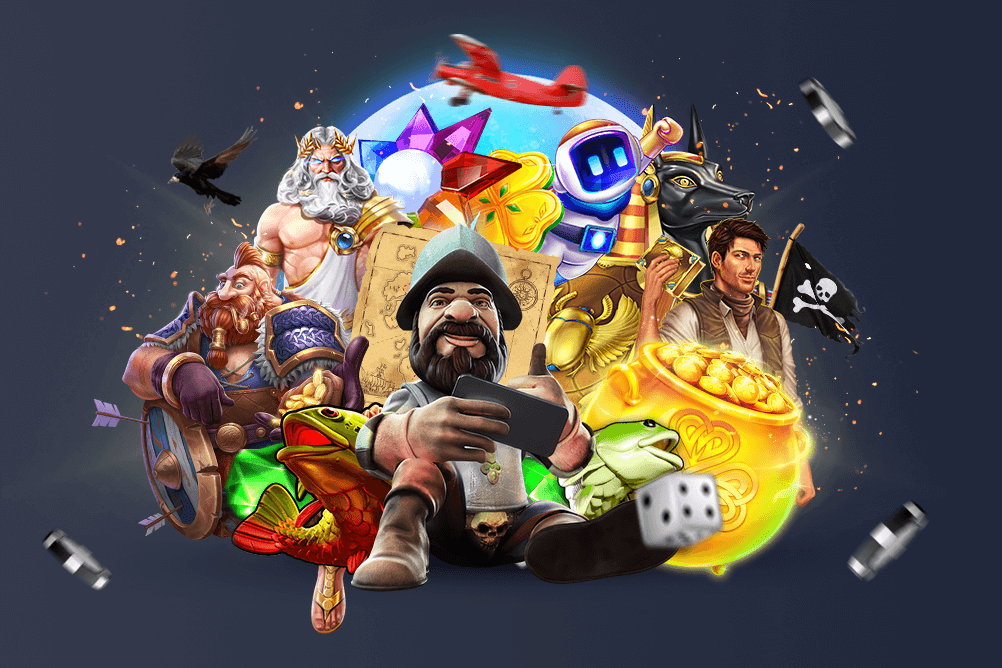
Gaming and Virtual Worlds
The gaming industry has also seen a significant integration of NFTs. Players can now own, buy, sell, and trade in-game assets such as skins, characters, and virtual land as NFTs. Titles like Axie Infinity and Decentraland have pioneered this concept, allowing users to possess unique in-game items that can be traded on secondary markets. This not only enhances the gaming experience but also brings real-world value to digital achievements and items.
Entertainment and Media
NFTs are also making waves in the broader entertainment sector, including film and television. Creators can tokenize their work, allowing fans to invest in films, gain behind-the-scenes access, or earn a stake in profits. For instance, some filmmakers have raised funds for projects by selling NFTs that grant specific benefits. This innovative approach is reshaping traditional funding models in the entertainment industry.
Challenges and Controversies
Despite their growing popularity, NFTs are not without their challenges. Environmental concerns surrounding the energy consumption of blockchain networks have raised ethical questions about their sustainability. Additionally, issues related to copyright and intellectual property rights are prominent, as the ease of reproducing digital files can lead to disputes over ownership and originality. While there is potential for technology to evolve and address these issues, they remain important topics within discussions about NFTs.
The Future of NFTs
Looking forward, the potential for NFTs to further disrupt various industries is immense. As technology matures, we may see greater interoperability between different blockchains, enhanced user experiences, and broader adoption across sectors. Innovations such as fractional ownership of high-value assets and the integration of augmented reality (AR) and virtual reality (VR) could lead to exciting new applications of NFTs.
Conclusion
In conclusion, NFTs are playing an increasingly critical role in transforming the dynamics of ownership and value in the digital realm. From generating new revenue streams for artists and musicians to revolutionizing the gaming landscape, their impact is far-reaching and profound. As the technology continues to evolve, it will undoubtedly lead to further innovations and changes in how we perceive and interact with digital content. Understanding this evolution is crucial for navigating the future of digital culture.